


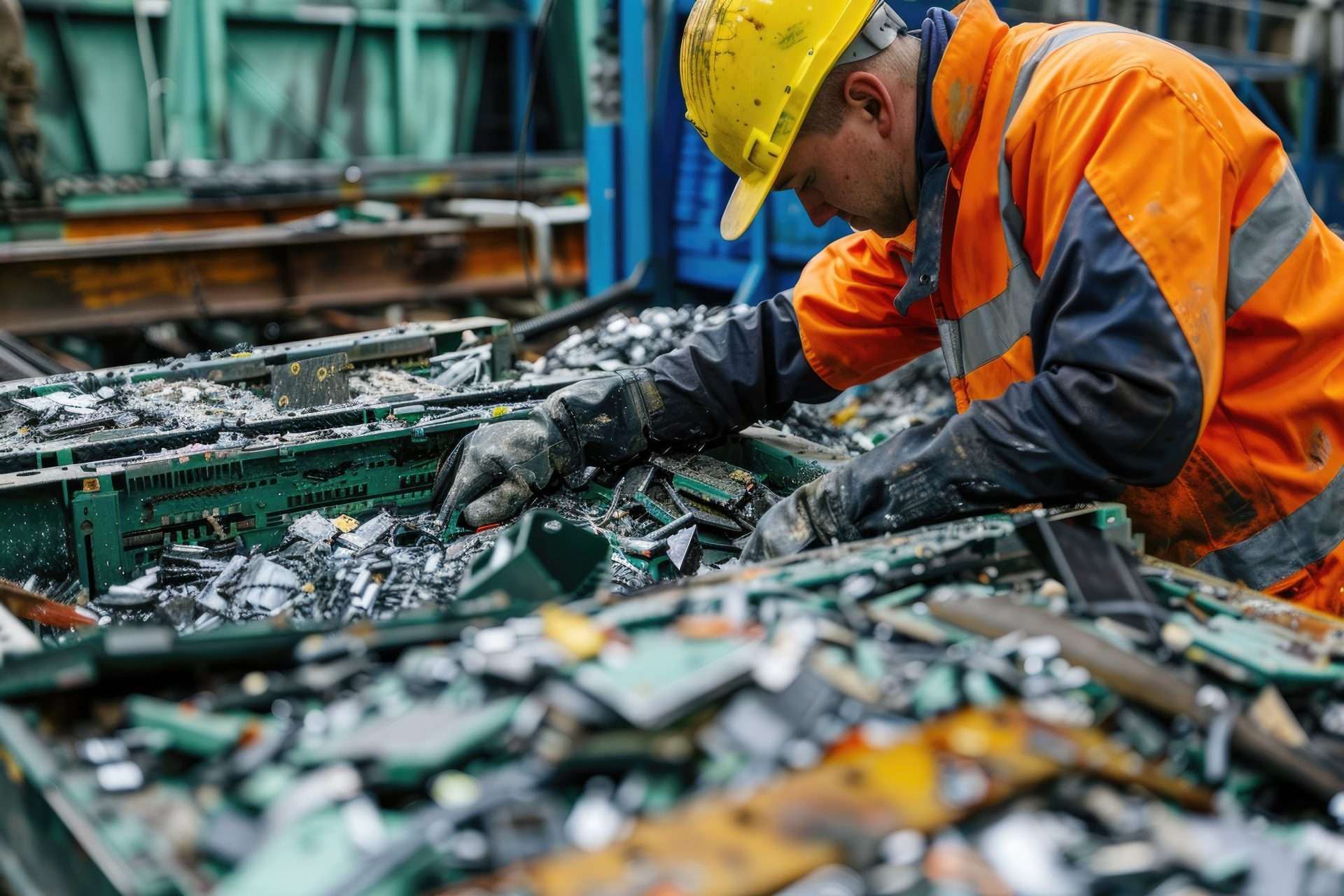
- Cobalt battery recycling gains urgency as DRC tightens export quotas
- EU Battery Regulation sets rising cobalt recovery targets
- Portable electronics remain the largest current source of wasted cobalt
- Spent EV batteries set to overtake electronics as top feedstock
- Glencore, Umicore and Huayou Cobalt lead secondary cobalt processing
- Cobalt Institute calls for harmonised rules on secondary cobalt trade
Cobalt battery recycling is shifting from a sustainability side note to a core supply strategy in 2026. The Democratic Republic of Congo’s export quota system caps national shipments at 96,600 tonnes for both 2026 and 2027, roughly half of 2024 volumes, and cobalt prices have traded above $56,000 per tonne this year, according to Fastmarkets, more than double the February 2025 low.
Cobalt battery recycling meets the DRC supply squeeze
The quota, administered by state regulator ARECOMS, splits 87,000 tonnes across registered producers and holds back 9,600 tonnes as a strategic reserve. DRC cobalt output still exceeds 100,000 tonnes a year, so the bulk of production is now withheld from export rather than under-produced, a policy tool rather than a resource shortfall.
For recyclers, the effect is straightforward: less primary cobalt hydroxide reaching Chinese refiners pushes buyers toward secondary feedstock. Cobalt prices well above the 2025 trough make cobalt battery recycling commercially attractive in a way it was not during the 2022-2024 oversupply period, when prices fell, per market data, from a 2022 peak near $82,000 per tonne to roughly $20,000 per tonne.
EU Battery Regulation raises the bar on cobalt recovery
The EU Battery Regulation requires recyclers to recover 90% of the cobalt, copper and nickel in a battery by the end of 2027, rising to 95% by the end of 2031, according to the European Commission. Separate recycled-content minimums, including 16% cobalt in new industrial and EV batteries from August 2031, create direct demand for the material recyclers recover rather than leaving recovery as a voluntary target.
Cobalt battery recycling in Europe still competes with a refining base concentrated in China, where Congo’s mined cobalt is refined at scale before reaching global battery makers. EU recyclers processing domestic scrap reduce that dependency incrementally rather than replacing it outright.
Where secondary cobalt actually comes from
Most cobalt battery recycling today processes battery manufacturing scrap, not end-of-life batteries, according to the Cobalt Institute. Spent lithium-ion batteries in portable electronics are currently the largest source of wasted cobalt worldwide; the Institute’s research covers the international, EU, US and West African contexts separately, since collection infrastructure and waste rules differ sharply between them.
That balance is expected to shift within a decade as electric vehicles reach end of life in larger numbers, making spent EV packs the largest secondary cobalt source globally. The Institute’s recommendations, including harmonised customs rules for secondary cobalt and extended producer responsibility requirements, target the collection and cross-border gaps that currently strand recoverable material in regions like Ghana rather than a shortage of viable recycling technology.
Recyclers and producers positioning for growth
Glencore absorbed secondary materials capacity through its Li-Cycle acquisition, feeding recovered black mass into existing refining infrastructure, while Umicore reports recovery rates above 95% for cobalt, nickel and copper under multi-year agreements with automakers including Stellantis.
Huayou Cobalt anchors processing capacity in the Asia-Pacific region, which handles most of the world’s current lithium-ion recycling volume. A broader view of the sector’s leading recyclers and processors is available in CMN’s battery recycling companies ranking. The DRC quota framework is due for review before the end of 2027, and any change to export volumes will move recycling economics again.
What is driving growth in cobalt battery recycling in 2026?
Tighter Democratic Republic of Congo export quotas on primary cobalt, elevated cobalt prices, and EU Battery Regulation recovery requirements are together making secondary cobalt more commercially attractive to process.
What does the EU Battery Regulation require for cobalt recovery?
The regulation sets minimum recovery-efficiency thresholds recyclers must meet, plus separate minimum recycled-content requirements for new batteries placed on the EU market later this decade. See the regulation section above for the current thresholds.
Where does most recycled cobalt come from today?
Battery manufacturing scrap, rather than end-of-life batteries, supplies most recycled cobalt on the market currently, according to the Cobalt Institute. Spent portable electronics are the largest source of wasted, unrecovered cobalt.
Will electric vehicle batteries become a major cobalt recycling feedstock?
Yes. Industry research expects spent EV battery packs to overtake portable electronics as the largest secondary cobalt source within the next decade, as vehicles from the current EV growth cycle reach end of life.
Which companies lead cobalt battery recycling?
Glencore, Umicore and Huayou Cobalt are among the most established processors of secondary cobalt, alongside a wider group of recyclers covered in CMN’s battery recycling companies ranking.


